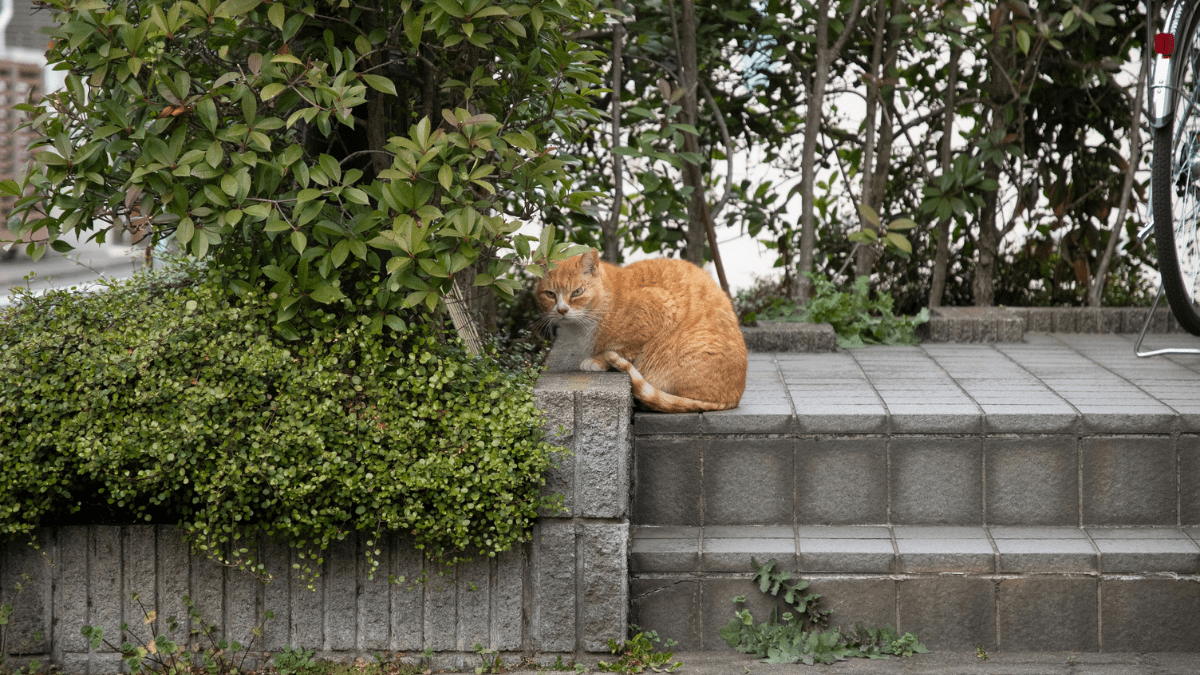
Cats have a well‑developed sense of orientation, but it is not a magic GPS that will always bring them safely back home. Letting a cat roam outdoors unsupervised is one of the most common reasons for disappearances, accidents and long, painful searches.
Outside, your cat faces traffic, dogs, other cats, people who may take the cat away, as well as stress and panic that can completely block its natural navigation skills. A frightened cat is more likely to hide and get even more lost than to calmly follow familiar smells back home.
The belief that “my cat always comes back” often ends in tragedy. Many missing cats never return, and their guardians are left with guilt and questions that come too late. Instead of relying on instinct, it is much safer to offer controlled access to the outside world: secured balconies, window screens, catios or walks on a harness.
This way, your cat can still explore, watch birds and enjoy fresh air, while you protect its life and make sure that “home” remains a safe, permanent place – not only a hope.