
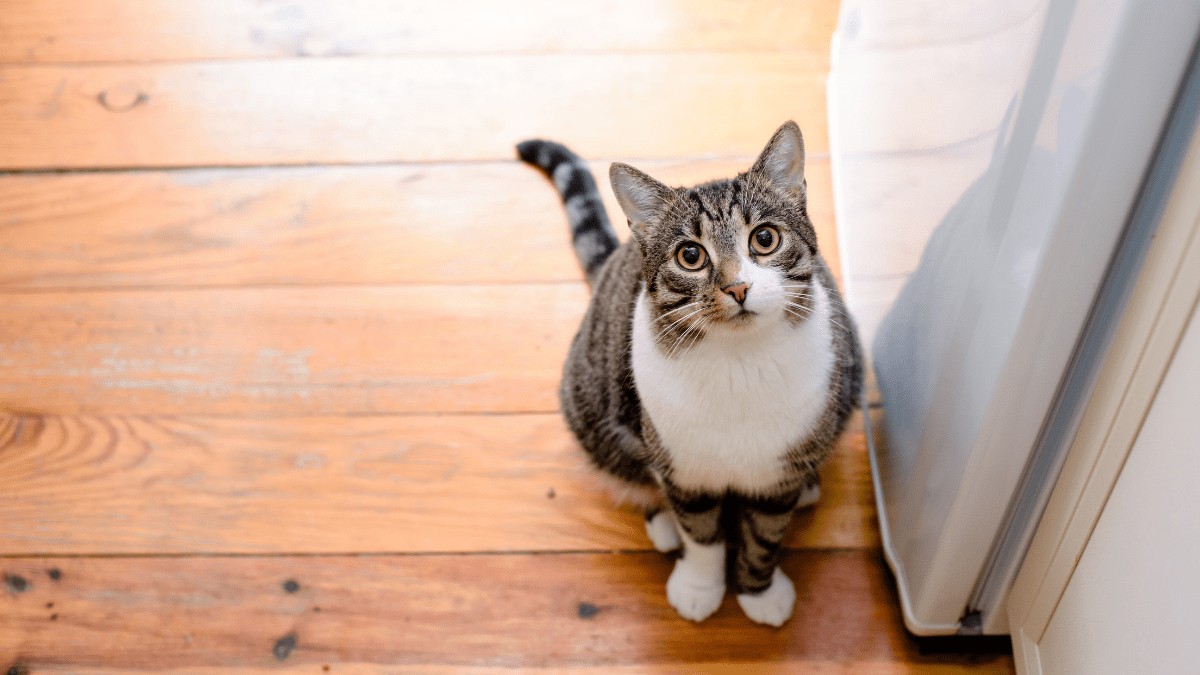
Can Domestic Cats Have Autism?
Autism is a neurodevelopmental condition. It affects social interaction, communication, and sensory processing in humans. However, cats do not share the same neurological framework as humans. Therefore, the term „autism” cannot be directly applied to them. That said, many behaviors people describe as „autistic” in cats have alternative explanations rooted in feline biology and psychology.
Why Cats May Seem „Autistic”
Cats are naturally more independent and less socially expressive than humans. As a result, certain individuals may display behaviors that seem unusual. These include:
-
Avoiding eye contact or preferring solitude
-
Strong sensitivity to touch or sound
-
Repetitive behaviors such as pacing, tail chasing, or staring at moving objects
-
Strong reactions to changes in routine or environment
Although these traits can make cats seem distant, they usually reflect normal variations in temperament. In other words, what appears as detachment is often simply part of a cat’s natural behavior.
Possible Behavioral or Medical Causes
Several conditions can cause a cat to behave in ways that resemble autism in humans. For instance, such behaviors may result from:
-
Chronic stress or prolonged fear responses
-
Sensory processing challenges linked to past trauma
-
Neurological disorders such as cerebellar hypoplasia
-
Lack of early socialization with humans or other animals
Therefore, a veterinary evaluation is strongly recommended. It helps rule out underlying medical problems or neurodevelopmental conditions that could influence the cat’s behavior.
How to Support Cats with Atypical Behavior
Cats that show extreme reactivity or social withdrawal often benefit from a supportive environment. In particular, they tend to respond well to:
-
A predictable daily routine
-
Safe hiding spaces and enriching surroundings
-
Gentle socialization using positive reinforcement
-
Professional behavioral guidance aimed at reducing anxiety
Understanding, Not Labeling
Ultimately, labeling a cat as „autistic” is neither accurate nor helpful. Instead, it is more compassionate to focus on understanding its unique emotional and sensory needs. By providing stability and respecting its individuality, we can significantly improve a cat’s quality of life.