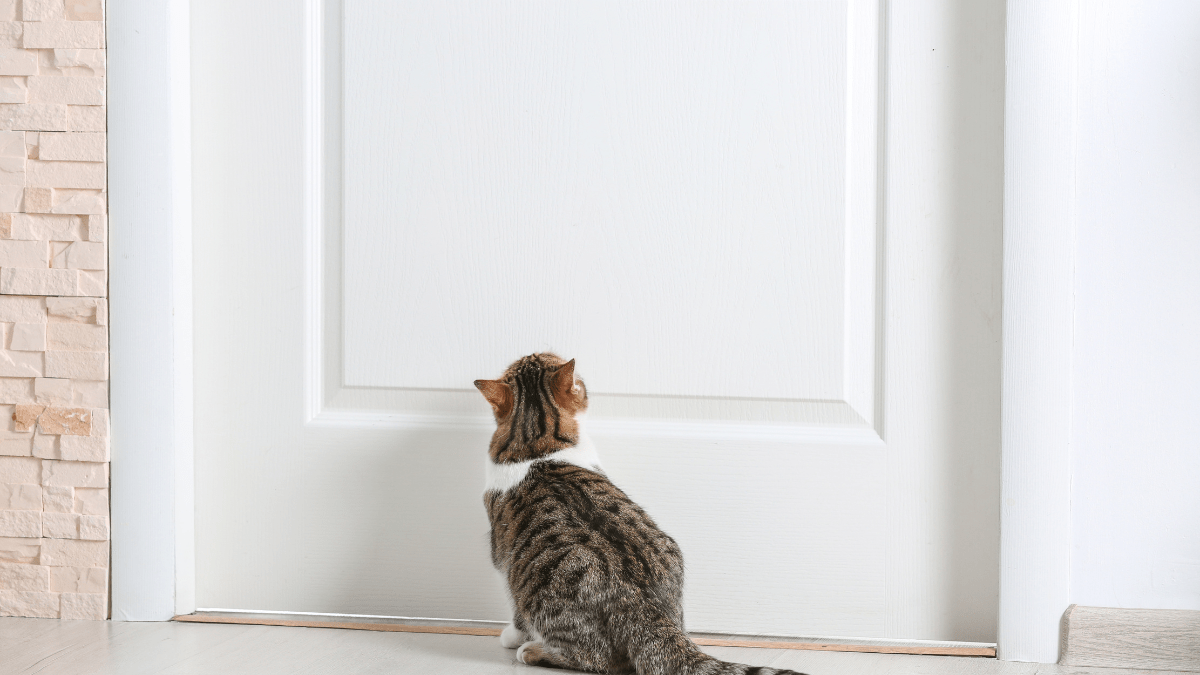
Before your cats exchange their first glances through a screen door, before they begin swapping scents on blankets and exploring each other’s territories – there is one step that comes before absolutely everything else. That step is medical isolation. Without it, the entire subsequent plan of socialization with isolation hangs in the air.
What Is Medical Isolation?
Medical isolation is the first, mandatory phase of the cat introduction process, typically lasting from 2 to 4 weeks from the moment the new cat arrives in the home. Its purpose is twofold: protecting the health of all animals in the household, and giving the new cat time for physical and mental recovery from the stress of a change in environment.
Do not confuse it with behavioral isolation – that serves an entirely different purpose and comes into play only after the medical period has ended.
Why These 2–4 Weeks?
When a new cat arrives in your home, it carries an invisible burden. Even if it comes from an impeccably run cattery or a responsible foster home, diseases may be developing in the incubation phase – invisible to the naked eye, but contagious.
Medical isolation protects the resident cat from:
Respiratory diseases (runny nose, coughing, conjunctivitis)
Internal and external parasites
Skin fungal infections (dermatophytosis)
Viral diseases (e.g. herpesvirus, calicivirus)
But this isn’t just about physical health. The stress of moving dramatically lowers a cat’s immune system. An enclosed room, a limited number of stimuli, and the presence of a trusted caregiver are the conditions under which the immune system has a chance to stabilize.
What Should the Isolation Space Look Like?
The room designated for medical isolation must meet several conditions to truly fulfill its function:
Closed door – no visual or physical contact whatsoever with the resident cat
A complete set of resources in one place: litter box, food and water bowls, scratching post, bed, toys
A hiding spot – a cardboard box, a cat house, a suspended shelf – anything where the cat can retreat and feel safe
Two different textures for resting – a plush blanket and a cooler mat, for example; the cat will choose based on its needs
Key point: do not let the cat out „for a trial run”. Even a single, unplanned contact with the resident cat can set back the entire process and trigger a defensive or aggressive reaction that will require tedious work to address later.
Veterinary Visit – Don’t Put It Off
Medical isolation begins at the veterinary clinic, not ends there. Before you implement any socialization plan, the new cat should undergo a full examination, including:
Fecal examination for parasites
Blood tests (complete blood count, biochemistry)
FIV/FeLV testing (for cats with an unknown background)
Oral cavity and general health assessment
Vaccination update and deworming
Importantly – the resident cat should also be examined before the planned introduction. Any untreated pain, inflammation, or illness will amplify the resident cat’s resistance to any changes, including the arrival of a new cat.
How Long Does Medical Isolation Last?
The standard recommendation is 2 to 4 weeks. In practice, the length depends on:
Veterinary test results
The new cat’s health history (e.g. shelter vs. cattery)
Current clinical condition (symptoms extend the period)
The veterinarian’s recommendations
Don’t shorten this time under the influence of emotions – your own or the resident cat’s, who may be sniffing under the door and meowing. That’s a natural reaction, but safety comes first.
What Happens After Medical Isolation?
Only after confirming the good health of both cats can you begin the actual socialization with isolation process – meaning scent swapping, room swapping, and gradual contact through a safe barrier. Each of these stages has its own logic and sequence that should not be skipped.
Medical isolation is not a waste of time – it is an investment in a calm, successful introduction, saving you, and your cats, stress, veterinary costs, and long weeks of repairing mistakes made in the first days.
Do you have questions about introducing cats or need an individual plan? Contact me – as a zoopsychologist and behaviorist, I specialize in guiding caregivers through every stage of this process.